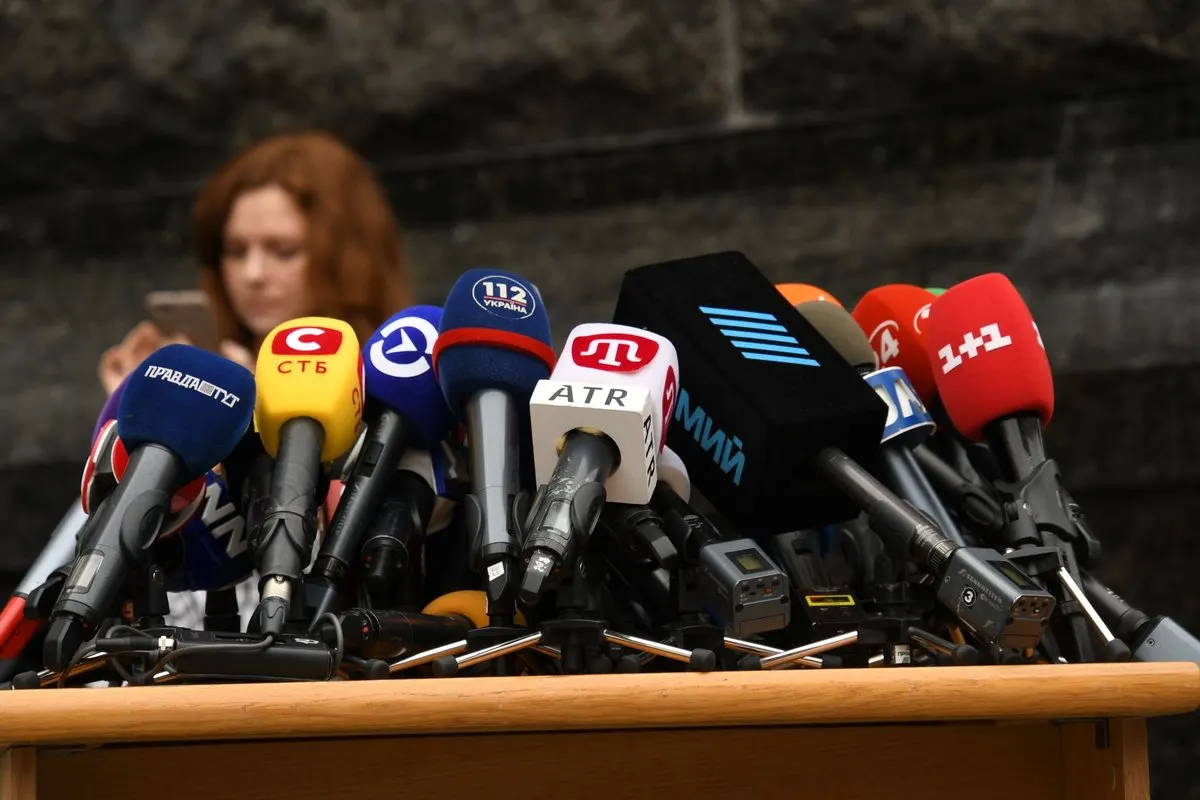
The spokesperson finishes their statement and a reporter raises a hand. People in the front rows hear the question, but the phone playing the translation stays silent. The answer then gets quoted without context. Plan the statement, questions and answers as three parts of the same live event, each with its microphone and language route.
Map both interpreting directions
If the spokesperson speaks Spanish and reporters listen in English, the opening statement and Spanish answers need an English feed. If a reporter asks in English and the spokesperson needs to hear the question in Spanish, plan that direction too. Agree who invites questions, who handles the microphone and who signals that the spokesperson can answer.
Scroll the table to see every column.
| Part of the briefing | What production does | What to check |
|---|---|---|
| Spokesperson’s statement | Route the lectern mic and share names, titles, abbreviations and figures in advance. | A bilingual listener checks a figure and its unit on a phone. |
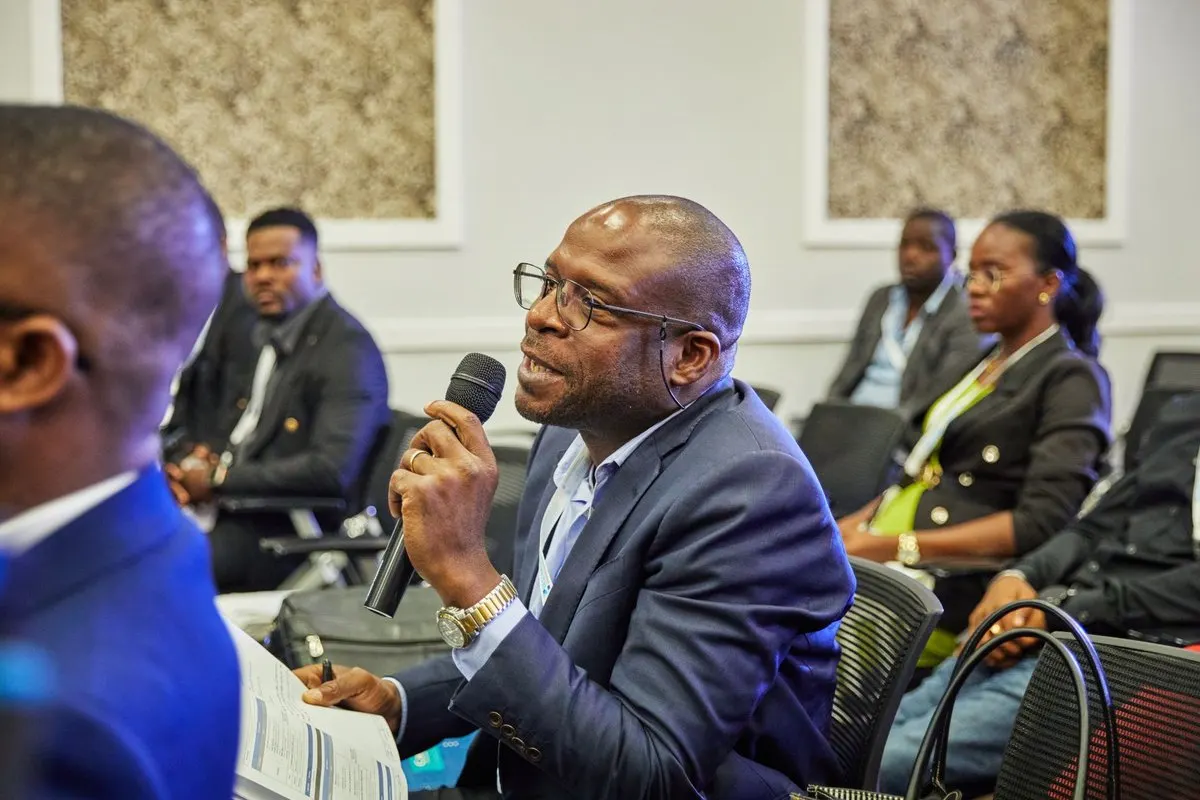
| Press questions | The moderator waits for the handheld mic to arrive. Ask for a name, outlet and one question at a time. | The whole question reaches the computer. If someone speaks off mic, the moderator repeats it before handing over. |
| Answer and follow-up | Leave a pause for the interpretation to finish and check whether the next turn changes language. | Speaker and listener know when to come in. Rehearse a follow-up in the other language. |
Plan for each language change
MoriahTech IA delivers audio through a browser link or QR code. Set and test the source and target language for the segment. The free trial allows one target language. If the briefing alternates directions, agree on a format you’ve rehearsed. You can group questions by language and ask a bilingual moderator to restate questions in the configured language. If people will switch freely or an exact nuance could affect a published quote, book professional interpreting in both directions.
Separate the listening feed from publishable quotes
Send the media the prepared statements, names and figures in the agreed languages once approved. Assign someone to verify translated quotes against the original audio or an official version. For livestreams, advertise the listening link separately and test it alongside the video. If part of the briefing is private, agree when to cut the translation feed.
W3C accessibility checklist · European Commission audio specifications
Prepare a QR code for your audience
See live translation for events
Words to open the press Q&A
Please give your name and outlet. Wait for the microphone and ask one question at a time. You can listen in [language] by scanning this QR code. We’ll pause before each answer.
Rehearse a question from the back row
Create an organiser account and use the 14-day trial with no card to test one direction. Make a short statement, move to the handheld mic and ask a bilingual listener to confirm from their phone that they heard the full question and answer. Then check the event pack against your audience size, minutes and languages.