A four-hour event does not automatically need four hours of translation. It may include breaks, networking and technical transitions. Conversely, counting only the keynote can leave out introductions and questions. Build the estimate around the periods when translation transmission will be active, then check the other capacity limits separately.
Understand the two clocks
The first clock measures the periods of audio sent for translation. A quiet room is not necessarily a paused transmission. If you leave the input active through a break, do not assume those minutes are free.
The second clock is the duration of an open session. An event may have enough minutes available but exceed the maximum permitted length of one session. A long break can therefore matter to the session plan even when translation is paused.
The MoriahTech IA event page lists these limits separately. Add a third planning question: how many sessions must operate at the same time? A large minutes balance cannot compensate for insufficient concurrent capacity.
Convert the agenda into a worksheet
This hypothetical morning has two speaking blocks and closing announcements. The estimate assumes translation is paused during the identified transition and break.
Scroll the table to see every column.
| Programme item | Scheduled time | Translation estimate | Operational note |
|---|---|---|---|
| Welcome and talk A | 09:00–10:10 | 60 minutes | Ten-minute transition is paused |
| Break | 10:10–10:40 | 0 minutes | Pause transmission; check open-session duration |
| Talk B and questions | 10:40–11:50 | 65 minutes | Include the audience microphone |
| Closing information | 11:50–12:00 | 5 minutes | Include room and travel announcements |
The estimated active translation is 60 + 65 + 5 = 130 minutes. With an explicitly chosen 20% planning margin, that becomes 156 minutes.
The programme occupies three hours. The estimate is 156 minutes, provided the assumed pauses happen. The 20% margin is an example of an organiser’s decision, not a product rule or a guarantee that the event will fit.
Copy the formula and label the assumptions
Planned minutes = (talks + questions + introductions + announcements + other active transmission) × (1 + chosen margin).
For a 20% margin, multiply by 1.20 and round up. Add rehearsals that use the same balance, and avoid counting one segment twice because two production teams list it.
MoriahTech IA’s five-minute technical check uses minutes from the balance but does not count as a session. A longer programme rehearsal is a separate planning item; do not assume every rehearsal receives that treatment.
Write down where sessions start and end. If the example is split into two sessions, the selected option must permit two. If one session remains open from 09:00 until 12:00, its maximum duration must allow that period. Both arrangements use the same agenda but can require different capacity.
Check the four limits the total does not answer
Session count and length. Mark each planned session and identify the longest. Splitting the day to meet one duration limit may increase the required session count.
Peak listeners. Count the people who need the translated channel during the busiest session. Total venue attendance is not necessarily that number, and cumulative attendance across the day is a different measure again.
Simultaneous rooms. Draw overlapping blocks on the timetable. Sequential sessions and concurrent sessions are not interchangeable.
Target languages. MoriahTech IA has one target language per session. Several simultaneous language destinations require a configuration and concurrency check, not just a multiplied minutes figure.
Use the format selector with these details to compare the current options. A pack that appears sufficient by minutes may still be unsuitable for the programme.
Make the estimate survive the rehearsal
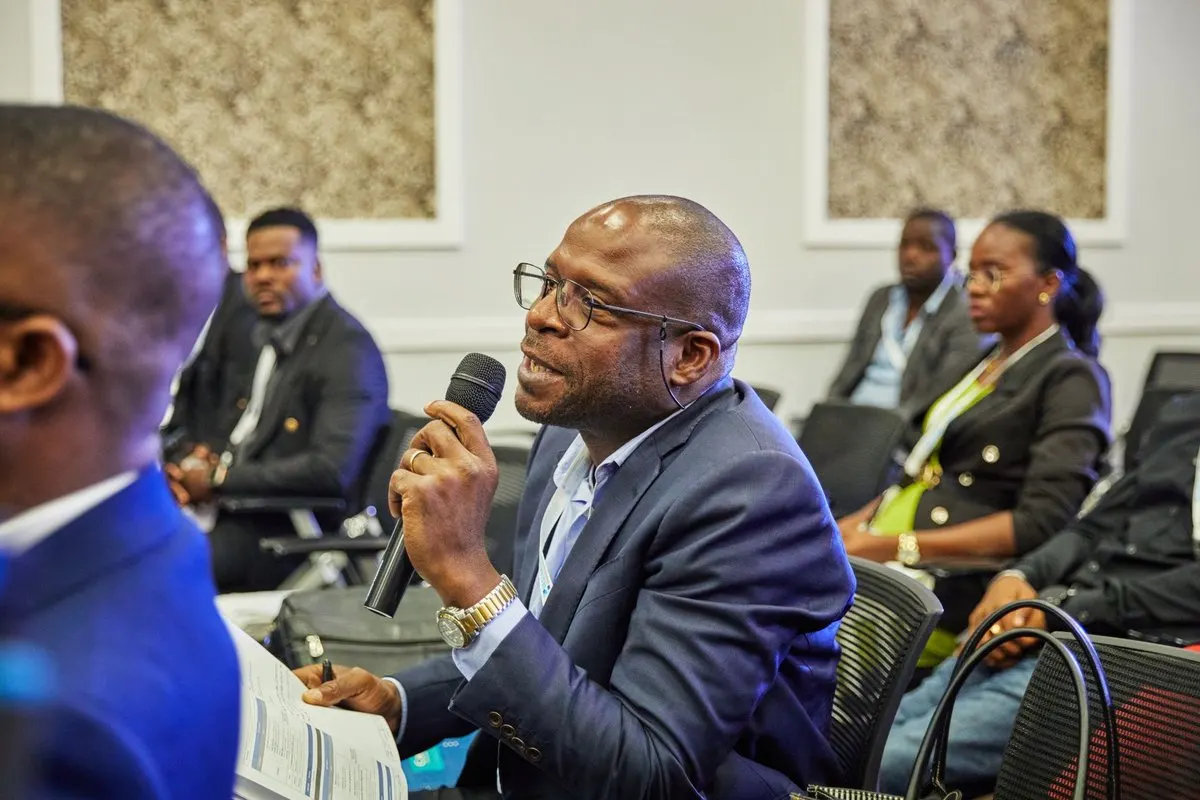
Test an audience question and a speaker handover through the actual input. If the roaming microphone is absent from the translation feed, the budget includes a segment the system cannot yet hear. Correct routing before treating the agenda as operationally ready.
Ask the moderator to practise the planned pauses. Assign someone to pause and resume transmission rather than leaving that action as an assumption. Record the change if the event team decides to keep the session active through transitions.
Share names, specialist terms and material with interpreters and reviewers ahead of time. W3C’s accessible presentation guidance supports advance preparation of materials for interpretation and captioning. This improves preparation but does not replace the real audio test.
Use the worksheet before choosing a pack
Take the completed agenda to a MoriahTech IA trial, test the microphone-to-listener path and then compare the live capacity catalogue. Paid event packs require a request, payment and validation; leave time for those steps after the rehearsal.
If you are comparing providers, use the same minutes, sessions and audience assumptions for each. The translation costs guide explains which other services belong in the budget.